The branding packages will help launch your brand and help you leave a mark in the industry all while standing out amongst your competitors. Choose a package today and begin creating the brand of your dream.
What Is Brand Identity Design? A Complete Guide for UK Businesses

First impressions shape how customers see your business
In the UK market, the first contact a customer has with your business is often visual. Before they speak to you, read your services, or ask for a quote, they look at your website, your logo, and your overall brand. This is where brand identity design becomes essential.
Your identity is the first signal you send. It tells people whether your business feels professional, reliable, and worth their time. Customers in the UK often compare several businesses before making a decision. If your brand looks clear and well structured, it builds confidence. If it looks confusing or outdated, it creates doubt almost instantly.
A strong identity helps your business make sense quickly. It shows people what kind of company you are and what they can expect from you. Most people do not want to spend time trying to figure out a business. They want clarity from the start.
First impressions are hard to change. A clear and consistent identity makes sure that first impression works in your favour and supports your long-term goals.
What brand identity really includes
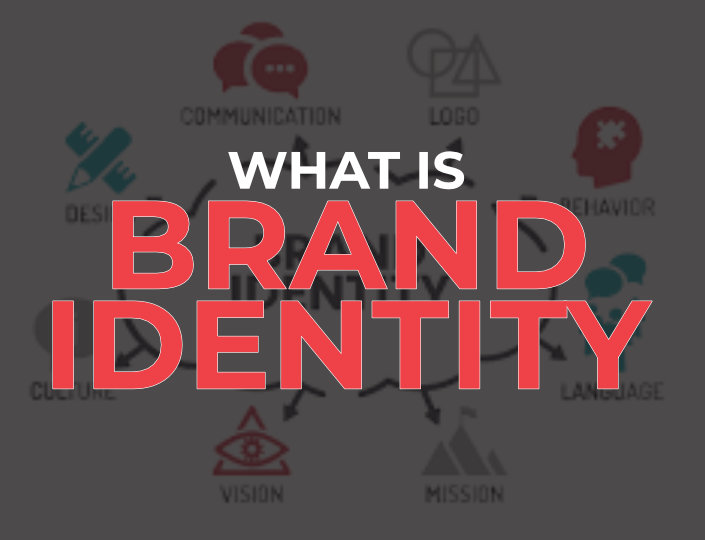
Many businesses think brand identity is only a logo. In reality, it is a complete system that defines how your business presents itself visually and emotionally.
Your identity includes your colours, typography, layout, imagery, and overall style. It also includes your tone of voice and messaging. These elements must work together to create one clear and consistent experience.
In the UK, customers often notice when a business feels polished and organised. If your website, social media, and communication all feel aligned, your brand becomes easier to trust. When everything looks and sounds different, it creates confusion.
When your identity is structured, people begin to recognise your business faster. They associate certain visuals and styles with your brand. Over time, this builds familiarity, which makes your business easier to remember.
Familiarity reduces uncertainty. When people recognise your brand, they feel more comfortable engaging with it. This is one of the main reasons why identity design is so important.
Why brand design influences perception and trust
Your brand design shapes how people see your business before they understand your service. A customer may not read every detail, but they will judge how your brand looks and feels.
Design communicates quality. A clean and modern design suggests professionalism and attention to detail. A cluttered or inconsistent design creates doubt, even if your service is strong.
People make fast decisions online. They rely on visual impressions instead of deep analysis. This means your design needs to communicate clearly in a short amount of time.
A strong design helps your business:
- appear more credible and professional
- create a clear visual difference from competitors
These advantages influence how customers respond and whether they choose to engage with you.
The importance of company branding design across platforms
Consistency is one of the most important parts of company branding design. Your identity should remain the same across every platform where your business appears.
Whether a customer visits your website, checks your social media, or receives an email, the experience should feel connected. This consistency builds recognition and trust.
When branding is inconsistent, it creates uncertainty. The business may feel less organised and less reliable. When it is consistent, it feels stable and professional.
Consistency also helps your team. It provides clear guidelines for how the brand should look and sound. This makes it easier to create content and maintain a strong presence without guessing.
A business with strong branding does not need to start from scratch each time. It builds on a clear foundation.
Why simplicity creates stronger brands
Many businesses believe complexity helps them stand out. In reality, simplicity is what makes a brand effective. Simple brands are easier to recognise, easier to understand, and easier to remember.
A clear design communicates quickly. It allows customers to understand your business without effort. This is important in digital environments where attention spans are short.
Simple branding also adapts better across different platforms. It works well on websites, social media, and printed materials without losing clarity.
When a brand is too complex, it becomes harder to use consistently. This can lead to confusion and reduce its impact over time.
The goal of identity design is not to impress with complexity. It is to communicate clearly and effectively.
Branding development is a continuous process
Branding development does not end once your identity is created. As your business grows, your brand should evolve to stay relevant.
This does not mean changing everything. It means improving what already exists and making small adjustments where needed. These refinements help your brand stay aligned with your goals.
Markets change, customer expectations evolve, and new competitors enter the space. A brand that never adapts can start to feel outdated or disconnected.
The strongest brands stay consistent while making small improvements over time. This balance allows them to remain clear and relevant without losing their core identity.
How identity design supports long-term growth
A strong identity becomes a long-term asset for your business. It supports your marketing, improves recognition, and builds trust over time.
As more people see your brand, they begin to remember it. This familiarity makes it easier for them to trust your business and take action.
Over time, this creates a natural cycle. Recognition leads to trust. Trust leads to action. Action leads to growth. This process strengthens your position in the market.
A clear identity also improves efficiency. It makes it easier to create content, launch campaigns, and communicate consistently across all channels.
When a business should invest in identity design
There are clear signs that a business needs to improve its identity. These signs often appear in how customers respond to the brand.
If your visuals feel inconsistent or outdated, it becomes harder to build trust. If your message is unclear, customers may hesitate or lose interest.
You may need to invest in identity design if:
- your branding looks different across platforms
- customers struggle to understand what your business offers
These issues reduce clarity and make your business less effective. Improving your identity can quickly strengthen your positioning and improve how people see your brand.
Conclusion: Identity is the core of your brand
At BrandYou, we focus on building brand identities that are clear, consistent, and easy to understand. We help businesses define how they present themselves and communicate their value across every platform. By aligning design with strategy, we create brands that stand out, build trust, and stay strong as the business grows.
Brand identity design is one of the most important investments a business can make. It shapes how customers see you, how they remember you, and how they decide to engage. In the UK market, where trust and clarity matter, a strong identity gives your business a clear advantage and supports long-term success.